Preparing your child psychologically for preschool is the concern of many parents as the day your child starts school draws near. The sight of your child clinging to your shirt, tearful at the school gate, can break everyone's heart, but with proper preparation, your child can enter the new environment with more confidence.
When parents accompany them in a timely manner, worries gradually give way to excitement, helping the child begin their journey to school more smoothly and happily.
Why is preparing your child psychologically for preschool important?
Instead of waiting for the child to "get used to it," parents should actively guide them from home. Early preparation will bring positive changes:
-
Reducing separation anxiety: Help the child understand that going to school is a temporary activity, and that parents will always come back to pick them up.
-
Increasing adaptability: When they have been exposed to different scenarios in advance, the child will be calmer in busy environments.
-
Protecting health: A stable mindset helps the child eat well, sleep well, and reduces stress that can weaken the immune system, leading to frequent illnesses.
-
Creating a positive attitude: Turn school into a "second home" rather than a strange, scary place

A 5-step plan to effectively prepare your child for preschool
Step 1: Tell your child stories about the "Happy School"
About a month before the first day, start with colorful stories. Don’t forget to tell your child about the red slide, new friends, and the love of the teacher.
When your child’s imagination is filled with bright images, fear will naturally be replaced by curiosity.

Step 2: Align daily routines with the school schedule
Sudden changes to wake times and meal times can tire and irritate the child. Parents should gradually adjust your child’s eating and sleep schedule to align with the school timetable about two weeks before starting.
|
Daily routine |
Old home schedule (Example) |
New schedule to adjust (According to the school) |
|
Wake up |
8:30 - 9:00 Morning |
7:00 - 7:30 Morning |
|
Lunch |
12:00 Noon |
11:00 - 11:30 Noon |
|
Nap |
Flexible, not fixed |
12:00 - 14:00 Afternoon |
|
Sleep at night |
10:30 - 11:00 PM |
9:00 - 9:30 PM |
Step 3: Play "role-playing" games at home
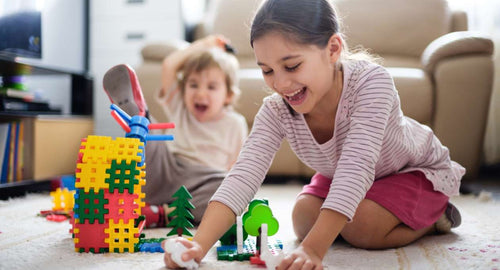
Children learn to face the world through playtime. Parents lay out a mat, arrange the toys, and reenact a day at the classroom with their child.
When your child pretends to be the teacher caring for a pink SWEET HEART puppy or practices a medical check using the doctor’s kit, they are quietly learning how to communicate and share. These role-play toy sets are not just tools, but bridges that help the child become more confident when meeting new friends.

Step 4: Get acquainted with the school space beforehand
If possible, take your child to play on the school grounds in the cooler late afternoon. Let them see the classrooms, swings, and slides with their own eyes. Familiarity with the visuals will significantly reduce the 'strangeness' of the new environment.
Step 5: Find a safe "companion"
Young children always need an emotional anchor when leaving mom’s arms. Allow your child to choose a small item to carry with them.
That could be a soft, cuddly teddy bear tucked inside the backpack, or a tiny toy car held in the hand. This emotional anchor helps the child feel more confident during the early days of school.

The three NOs parents should remember on the first day of bringing your child to class
Even with thorough preparation, the moment of saying goodbye isn't easy. The important thing is for parents to stay calm and decisive:
-
No threats: Statements like “crying will be punished” only scare the child and foster aversion to going to school
-
Do not slip away: A mother’s abrupt disappearance can frighten the child; say goodbye clearly and set a specific pickup time
-
No lingering too long: Procrastination only makes the child cry more; hand the child to the teacher and leave decisively
Top toys to help kids reduce anxiety and build skills before starting school
The period before starting preschool is an ideal time for parents to prepare their child for daycare through familiar, comforting toys.
Stuffed animals and plush toys
Softness and familiarity provide a sense of safety for the child when away from parents. A “little friend” by their side helps them relax, especially during nap times at school.
Options such as MIFFY Pink Bunny Plush with safe materials, an adorable design, and a size that fits the hand can easily become a companion that helps the child feel more secure at school.

Role-playing and simulation toys
Role-play sets, such as doctor kits or the doctor/nurse style sets or the "Purple Tim Ham Oven" playset, help children become many different characters, thereby encouraging communication and increasing confidence in interactive situations.

Educational toys
Large, rounded bricks like LEGO DUPLO are designed for safe handling by children from age 2. Bright colors and familiar themes help kids explore the world while playing. Through building, children develop dexterity, logical thinking, and growing independence in every small situation.

Frequently asked questions by parents with children about to start nursery
How long does it take for a child to get used to preschool?
The adaptation time varies by child, but most will need about 1–3 weeks to cry less and start participating in activities. For more sensitive children, this process may take up to about 1 month.
What should parents do if their child cries a lot at preschool?
The key is to stay calm and be patient. Parents should communicate regularly with the teacher to stay informed about their child’s status. At home, spend plenty of time hugging and soothing to help the child release emotions, and also provide a familiar item to help them feel more secure.
Preparing your child psychologically for preschool doesn’t have to be overly complicated; just choose the right ways to accompany them and the right “aids.” With early preparation, children tend to settle faster, cry less, and gain confidence from the early weeks of school.
Parents can refer to more age-appropriate toys right at MyKingdom to pick truly essential products for their child. Sometimes a few well-timed choices can make a big difference in the early days of going to school.
See more
Top 10 smart toys for kids 1 - 2 years old