First grade isn't just about changing schools – it's changing your child's little world
For adults, going to school is taken for granted. But for a 6-year-old child, the first day of first grade is a new door full of emotion.
There’s no longer the familiar kindergarten, no more free play or a teacher soothing every moment — instead there are neat desks, a clear timetable, and many things the child has never experienced.
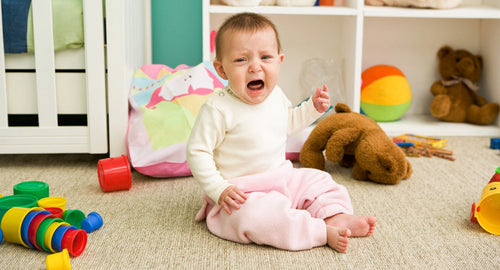
Many children clearly show signs of anxiety:
-
In the morning, they arrive timidly, sometimes even crying
-
Reluctant to communicate, not daring to raise their hand to speak
-
Saying “I don’t want to go to school anymore”
👉 Don’t worry yet; these are very normal feelings. And the wonderful thing is that parents can help their child overcome them, with just a few small but proper changes.
Why do children get anxious when entering first grade?
1. A change of environment makes the child feel unsafe
From a play-centered space to a serious learning environment, many children feel a slight shock. The child doesn’t yet understand the new rules, isn’t used to new classmates, and doesn’t dare to ask for help if needed.
2. Parents inadvertently create pressure
Phrases like “Now you’re a student, no more fooling around”, or “In first grade you must do well” can make the child feel they must… grow up immediately.
3. Not well prepared psychologically or with the right supplies
A heavy backpack, ill-fitting shoes, or a pencil case that’s hard to use… can also contribute to making the child more tense every time they go to school.
5 simple ways to help your child feel confident going to first grade
1. Talk to your child about school in advance
Take your child to tour the school yard, library, or playground if possible. At home, parents can recount stories about going to school in the past, or role-play a “classroom” to help them gently get used to the concept of “going to school seriously”.
2. Build in your child a routine similar to a school day
Don’t wait until the first day; gradually acclimate them to wake-up time, breakfast, changing into the uniform, organizing books and supplies... This helps the child avoid being “shocked” by the new routine.
3. Equip school supplies that fit well and are kid-friendly
The child will feel more confident when they have:
-
Light backpack with clearly divided compartments: easy to wear, easy to find things
-
Soft, non-slip, easy-to-wear shoes: help the child be more independent
-
Pencil case, pencils, and notebooks sized to fit: help them write and draw comfortably, without fatigue
✨ Tip from Mykingdom: "Back to School" combo with a supportive backpack for elementary kids, cute pencil case, notebooks and appropriately sized shoes — all designed specifically for children aged 6–10.
4. Listen to your child every day after school
Instead of asking “Did you get good grades today?”, ask:
-
“What was something fun today?”
-
“Did you have any difficulties?”
-
“What can I do to help you tomorrow?”
Just being heard will make them feel secure and gradually become more open to going to school.
5. Create motivation from small things
Praise them when they wake up on time. Give them a sticker if they pack their things for school by themselves. Occasionally decorate the study corner with stickers, a notebook, a new pencil case... These small actions are enough to make the child feel recognized — and want to keep trying.
Check-list of supplies to have before the first day of school
🎒 Supportive backpack: light weight, soft back padding, fits the child
 👟 Soft, lightweight sneakers: non-slip sole, easy to wear
 Basic study set: pencil case, pencils, fun-to-assemble erasers
 Inspirational accessories: stickers, reward chart, emotion notebook
 💡 You can find suitable school supplies at Mykingdom, with designs tailored for elementary students, safe and engaging for them every time they open their backpack.
First-grade journey isn't just about books and supplies, but also emotions
A child who is confident going to school isn't because they know all the letters, but because they are well prepared mentally, with good habits, and with items that truly fit their child's small world.
🎒 Let every item your child carries be a form of encouragement.
🧡 Let every word from a parent be a warm hug before this big first journey.